
Mumbai Police Smart ID: 7 Powerful Changes to Transform Policing in 2026
From QR-code identity cards to AI-assisted investigations, Mumbai Police is introducing a new digital system designed to improve transparency, strengthen investigations and help citizens verify police personnel.

Mumbai Police Smart ID: 7 Powerful Changes to Transform Policing in 2026
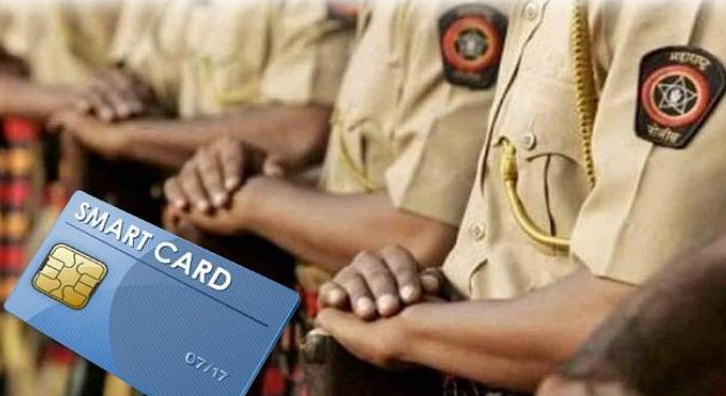
Mumbai Police is taking a major step towards technology-driven policing with the introduction of QR-code and NFC-enabled identity cards for its personnel. Inaugurated by Chief Minister Devendra Fadnavis on November 21, 2026, the initiative will allow citizens to verify police officers through the Mumbai Police Citizen App. The move is part of a wider digital transformation that includes 50,000 smart tablets, an integrated police information system, an AI-assisted Fusion Centre and advanced forensic facilities.
Mumbai Police Smart ID Initiative Introduced by Devendra Fadnavis
Mumbai Police is preparing for a significant technological transformation with the introduction of smart identity cards designed to make police identification more transparent and accessible to the public.
Maharashtra Chief Minister and Home Minister Devendra Fadnavis inaugurated several technology-enabled projects for the Brihanmumbai Police Commissionerate on November 21, 2026, at Sahyadri Guest House in Mumbai.
One of the major announcements was the introduction of the Mumbai Police Smart ID, a technology-enabled identity card featuring a unique QR code and Near Field Communication (NFC) technology.
The new system is intended to help citizens verify whether a person claiming to be a Mumbai Police officer is genuinely associated with the police department.
Under the system, citizens will be able to scan the QR code printed on an officer’s identity card using the Mumbai Police Citizen App. The verification platform will display the officer’s photograph, name, date of joining and current posting.
This will allow members of the public to compare the information displayed on their mobile phones with the person presenting the identity card.
The initiative is particularly significant at a time when criminals have reportedly been impersonating police officers, displaying forged identity cards and attempting to intimidate citizens into handing over money or valuables.
The Mumbai Police Smart ID is therefore intended to provide an additional layer of verification and reduce the possibility of people being deceived by individuals pretending to be law enforcement personnel.
A few smart cards were distributed to police personnel, including traffic police officers, during the inauguration ceremony.
According to reports, the project will cover 51,308 sanctioned posts in the Mumbai Police, and the printing of the cards has been completed. The department expects personnel to receive their cards within a month of the announcement.
The government had sanctioned approximately ₹4 crore for the project in February 2026.
The initiative is not limited to issuing a new identity card. It forms part of a wider effort to connect police personnel, administrative systems, citizen services and investigation-related information through digital platforms.
1. How Will the Mumbai Police Smart ID Card Work?
The most important feature of the Mumbai Police Smart ID is its QR-code-based verification system.
Traditionally, when a police officer approaches a citizen, the person may have to rely on the identity card shown by the officer to establish whether the individual is genuine.
However, a forged or duplicated identity card can be used by criminals to create a false impression of authority.
The new system aims to address this problem by allowing citizens to verify an officer’s details through an official digital platform.
Every police personnel covered by the project will receive a metal-based identity card featuring an embossed photograph and a unique QR code.
The QR code will be linked to an official verification platform accessible through the Mumbai Police Citizen App.
When a citizen scans the code, the application will display important identification details.
These include:
- Photograph of the police officer.
- Full name of the officer.
- Date of joining the police department.
- Current official posting.
The citizen can then compare the information displayed on the mobile screen with the person standing in front of them.
For example, if someone approaches a resident claiming to be a police officer and presents an identity card, the resident can use the QR code to check whether the photograph and other details match the individual.
This is particularly useful when an officer approaches someone in plain clothes and the individual is unable to immediately recognise whether the person is genuinely associated with the police department.
The Mumbai Police Smart ID is expected to make this verification process easier and reduce dependence on simply looking at a physical identity card.
However, citizens should use the official application and verify the details displayed on the official platform rather than trusting an image, screenshot or website link shared by an unknown person.
2. NFC Technology Will Add Another Layer of Security
Apart from the QR code, the Mumbai Police Smart ID will also include Near Field Communication technology, commonly known as NFC.
NFC is a short-range wireless communication technology that allows compatible devices to exchange information when brought close to each other.
It is already used in several everyday applications, including contactless payments, access-control systems and digital identification.
In the new Mumbai Police identity cards, NFC technology will be used by authorised personnel for accessing restricted police establishments and other authorised purposes.
This means that the identity card will serve more than one function.
The QR code will help citizens verify an officer’s identity, while the NFC feature will provide an additional technological facility for authorised police operations.
The combination of these features is intended to make the Mumbai Police Smart ID more useful than a conventional identity card.
The introduction of NFC-enabled cards also reflects the department’s effort to use modern identification technology within its administrative and operational systems.
However, the exact access permissions and technical functions of the NFC system will depend on the department’s implementation and authorisation procedures.
The system should not be understood as allowing every cardholder unrestricted access to every police facility.
Instead, NFC-based access is intended for authorised personnel and designated purposes.
3. Why Is Mumbai Police Introducing Digital Identity Cards?
One of the main reasons behind the Mumbai Police Smart ID initiative is the growing concern over police impersonation.
There have been cases in which criminals have allegedly posed as police officers, crime branch personnel and other law enforcement officials to threaten or deceive members of the public.
In some incidents, fraudsters reportedly use forged police identity cards to make their claims appear genuine.
They may approach people during morning walks, stop individuals on the road or visit business establishments while claiming to conduct official checks or investigations.
Senior citizens can be particularly vulnerable when someone approaches them unexpectedly and creates fear by claiming to represent the police.
Business owners and other citizens may also find it difficult to determine whether a person claiming to be from the crime branch is genuinely an officer.
A person who is unfamiliar with police procedures may immediately believe someone carrying an identity card and speaking with authority.
This creates an opportunity for impersonators to demand money, valuables or personal information.
The Mumbai Police Smart ID is intended to make it easier for citizens to independently check an officer’s identity.
Instead of relying only on the physical card, the citizen will have access to official identification information through the application.
The move also has relevance in cases involving so-called digital arrest scams.
In these scams, fraudsters impersonate police officers, CBI officials or other government authorities during phone calls and video calls.
They may display fabricated documents, fake identity cards and other material to convince victims that they are speaking with genuine officials.
A digital verification facility could offer another way to check the identity of someone claiming to be a Mumbai Police officer.
However, the QR-code system should not be treated as a solution to every form of cybercrime or impersonation.
It specifically helps verify the identity details of Mumbai Police personnel covered by the system. It does not independently authenticate officials from every other law enforcement agency.
4. Smart Identity Cards Will Be Mandatory While on Duty
Another important feature of the Mumbai Police Smart ID initiative is the requirement that personnel carry their identity cards while performing official duties.
According to reports, the smart identity card will be mandatory whether an officer is wearing a police uniform or working in plain clothes.
This is important because not every police officer performs duties in uniform.
Personnel may visit residential buildings, question citizens, conduct investigations or approach individuals while wearing ordinary clothes.
In such situations, members of the public may have difficulty identifying the officer.
The mandatory identity-card requirement is intended to provide an additional way for citizens to establish the officer’s credentials.
For example, if a person claiming to be a crime branch officer visits a residential building, the resident can request the officer to show the identity card and verify the QR code through the official application.
Similarly, business owners approached by someone claiming to conduct a police investigation will have another option for checking the person’s identity.
The Mumbai Police Smart ID could therefore become an important identification tool during interactions between police personnel and members of the public.
At the same time, citizens should remember that verification of an officer’s identity does not automatically establish the legitimacy of every demand made during an interaction.
If anyone demands cash, asks for confidential banking information or creates pressure to transfer money, citizens should be cautious and independently contact the police through officially published contact details.
The new identification system is intended to strengthen transparency, but public awareness and responsible police procedures will remain equally important.
5. Project Will Cover More Than 51,000 Sanctioned Police Posts
The scale of the Mumbai Police Smart ID project is another important aspect of the announcement.
According to The Indian Express, the initiative will cover 51,308 sanctioned posts in the Mumbai Police.
The government had sanctioned approximately ₹4 crore for the project in February 2026.
A senior police officer told the publication that the printing of the cards had been completed and that all personnel were expected to receive them within a month.
This indicates that the initiative is designed as a force-wide identification system rather than a facility limited to senior officers or a small group of personnel.
The distribution of cards to traffic police personnel during the inauguration was an initial public demonstration of the initiative.
The wider rollout is expected to bring police officers and other personnel under a common digital identification framework.
For a large metropolitan police force such as Mumbai Police, maintaining accurate identification and posting information is important for administrative and public-facing operations.
The digital verification platform is expected to make it easier for citizens to compare an officer’s details with official records.
The Mumbai Police Smart ID project also demonstrates how technology can be introduced into routine policing activities rather than being restricted to specialised investigation units.
The effectiveness of the system will ultimately depend on how consistently officers carry their cards, how accurately the digital information is maintained and how easily citizens can access the verification facility.
6. Mumbai Police Citizen App: Police Services on Mobile Phones
Alongside the Mumbai Police Smart ID, another important initiative inaugurated by Devendra Fadnavis was the Mumbai Police Citizen App.
The application is intended to provide citizens with access to police-related services through a single digital platform.
According to the Mumbai Police press release, the app will include facilities such as SOS assistance, permissions and police services.
Reports also describe provisions for jurisdiction information, suggestions and feedback.
The idea is to make it easier for residents to access relevant police services without having to depend entirely on physical visits to police offices for every requirement.
The QR-code identity verification system will also work through the Mumbai Police Citizen App.
This makes the application an important part of the broader Mumbai Police Smart ID initiative.
The app could help bridge the gap between the police department and residents by bringing selected services onto mobile phones.
For example, a citizen may be able to use the platform to find information about police jurisdiction or access the available services without first visiting multiple offices.
The SOS feature is particularly important because it is intended to provide a digital route for seeking assistance during emergencies.
However, residents should continue using established emergency contact channels whenever immediate assistance is required and should not assume that downloading an application alone guarantees an emergency response.
The application is part of a larger plan to make police services more accessible, organised and citizen-oriented.
Its long-term usefulness will depend on the reliability of the services, ease of navigation and the department’s ability to respond to requests received through the platform.
7. Mumbai Police to Receive 50,000 Smart Tablets
Another major development announced during the inauguration was the plan to equip police personnel with approximately 50,000 smart tablets.
The tablets are intended to improve access to official information, investigation-related records and digital evidence while officers are performing their duties.
Traditionally, several police-related activities involve physical files, paperwork and visits to different offices to obtain information.
These processes can take considerable time, particularly when records are maintained across multiple departments or locations.
The introduction of smart tablets is intended to make information more accessible to personnel working in the field.
Through digital devices, authorised officers will be able to access relevant records and information required for their work.
The Mumbai Police Smart ID and tablet initiatives are complementary parts of the same broader digital transformation.
While the identity cards focus on verifying police personnel, the tablets are intended to improve the way officers access and use information.
The devices are expected to support activities such as:
- Accessing investigation-related information.
- Viewing official digital records.
- Accessing relevant evidence.
- Improving field-level coordination.
- Reducing dependence on physical paperwork.
- Supporting faster information sharing.
For officers working in busy metropolitan areas, quicker access to relevant information could make routine operations more efficient.
The initiative also has the potential to improve the organisation of police records and reduce delays associated with traditional administrative procedures.
However, the effectiveness of the tablet programme will depend on proper training, secure access controls, reliable connectivity and regular maintenance of the devices.
8. Pratyancha: Mumbai Police Fusion Centre to Integrate Information
One of the most significant technology projects introduced alongside the Mumbai Police Smart ID is Pratyancha, the Mumbai Police Fusion Centre.
The centre is intended to integrate information available across different police systems and other government agencies.
According to the official Mumbai Police press release, the project will bring together scattered information on a common platform and use AI-based analysis to identify links between crimes.
This could help investigators identify connections that may otherwise remain difficult to detect when information is stored separately.
For example, different police units may have information relating to similar criminal activities, suspects, locations or incidents.
When such information is maintained in disconnected systems, identifying common patterns can become difficult.
An integrated platform could help authorised investigators analyse relevant information more efficiently.
The Fusion Centre is also intended to support intelligence sharing, crime prevention and faster investigation.
The broader reporting on the project describes the integration of information from CCTV networks and various police databases to support investigation and operational coordination.
The centre could become an important part of the department’s approach to data-driven policing.
However, the use of technology and artificial intelligence must operate within appropriate legal and administrative safeguards.
Information must be accurate, access must be restricted to authorised personnel and investigative decisions must continue to involve appropriate human oversight.
The Mumbai Police Smart ID and Pratyancha represent different aspects of the same modernisation effort: one improves identification, while the other aims to improve information management and investigation.
9. Mumbai Police Information System (MPIS) to Reduce Paperwork
The Mumbai Police Information System, commonly referred to as MPIS, is another important project introduced during the November 21 event.
The system is designed to integrate police operations and digitise administrative and personnel-related processes.
According to reports, MPIS will cover activities such as transfers, leave, deployment and investigation-related procedures.
The objective is to reduce dependence on conventional paperwork and make departmental processes faster and more transparent.
In a large police organisation, administrative work can involve multiple stages of approval and communication between different offices.
When records are maintained manually or across separate systems, completing routine processes may take several hours.
The new system aims to streamline these activities through a common digital platform.
The Indian Express reported that some processes which earlier took approximately three to four hours could be completed in around 15 minutes through the digital system.
This could make a significant difference to the administrative workload of police personnel.
The Mumbai Police Smart ID project is primarily focused on identification, while MPIS addresses the wider administrative functioning of the department.
Together, these initiatives aim to create a more connected police organisation.
A properly implemented digital information system can also improve record management, reduce duplication and make it easier for authorised officials to access updated information.
However, the transition from conventional processes to digital systems will require training and regular monitoring.
Ensuring that records remain accurate and protected will be essential for the long-term success of MPIS.
10. Samvaad App to Improve Communication Among Police Personnel
The Samvaad App is another initiative introduced as part of the technology-driven projects.
The application is intended to function as a secure internal messaging platform for police personnel.
Communication is an important part of police operations, particularly in a large city where personnel are deployed across different police stations, traffic divisions and specialised units.
Delays in sharing information can affect coordination between different teams.
A dedicated internal communication platform could help improve the exchange of official information.
The Mumbai Police Smart ID initiative helps establish the identity of personnel, while Samvaad is designed to improve communication within the force.
The app is expected to provide a more organised digital channel for police-related communication.
According to the official announcement, it is intended to serve as the police department’s own secure messenger.
The system could help reduce dependence on informal communication channels for certain official activities.
However, maintaining confidentiality and ensuring that sensitive information is shared only with authorised personnel will be important.
A secure communication system must also include appropriate access controls and safeguards against unauthorised access.
The introduction of Samvaad is another indication that the department is looking beyond individual technological upgrades and working towards a connected digital environment.
11. One Crore Old Records to Be Digitised
One of the most significant administrative developments announced by Mumbai Police concerns the digitisation of old records.
According to the official press release, the department plans to digitise approximately one crore pages of legacy records.
The project also includes the development of a stronger digital infrastructure, including a secure data centre and network connectivity covering more than 410 offices.
The scale of this work highlights the amount of historical information maintained by a large metropolitan police organisation.
Over the years, police departments accumulate records relating to administration, personnel, investigations and other official activities.
When information is stored in physical files, finding a particular document may require time and manual effort.
Digitisation can make these records easier to organise, search and retrieve.
The Mumbai Police Smart ID is one part of the larger digital transformation, while the digitisation of old records is intended to improve the department’s information infrastructure.
Moving historical records to digital formats could also support the integration of different police systems.
However, digitisation does not simply mean scanning documents.
The department must also ensure that records are indexed correctly, protected against unauthorised access and preserved through reliable backup systems.
The secure data centre and network infrastructure will therefore be important components of the wider initiative.
12. Anti-Narcotics Investigation and Forensic Van Launched
Another major initiative inaugurated on November 21 was an Anti-Narcotics Investigation and Forensic Van.
The facility is designed to support on-site investigation and scientific examination of suspected narcotic substances.
According to the Mumbai Police press release, the van will provide integrated mobile facilities for preliminary identification of suspected substances, saliva-sample testing, scientific scene documentation and secure transfer of seized samples.
The Free Press Journal described it as India’s first initiative of its kind.
The introduction of a mobile forensic facility could help investigators carry out certain preliminary procedures closer to the location of an incident.
Instead of depending entirely on arrangements made after reaching a police station or laboratory, specialised personnel can use the mobile facility for designated investigative activities.
The van is intended to support the anti-narcotics unit in collecting and handling evidence.
Proper evidence collection is particularly important in narcotics investigations because the handling, documentation and transfer of samples can affect the reliability of the investigative process.
The project also involves the use of blockchain-enabled technology for secure evidence storage, according to reporting on the initiative.
The Mumbai Police Smart ID is aimed at improving public verification of officers, while the forensic van focuses on strengthening investigative capabilities.
Both initiatives demonstrate how technology is being introduced into different aspects of policing.
13. Tapas Saarathi: AI-Assisted Investigation System
Chief Minister Devendra Fadnavis also highlighted the development of an AI-powered investigation system known as Tapas Saarathi.
According to the Times of India report, the system is intended to manage investigation-related workflows from the registration of a First Information Report (FIR) to the filing of a chargesheet.
The proposed system aims to improve evidence management and support the investigation process.
The use of artificial intelligence in policing has attracted growing attention because of its potential to organise large amounts of information and assist investigators.
For example, investigation-related work can involve multiple documents, statements, evidence records and procedural requirements.
An AI-assisted system could help organise these materials and support authorised personnel in tracking different stages of an investigation.
The Mumbai Police Smart ID and Tapas Saarathi serve different purposes, but both are part of the broader technology-led approach being pursued by the department.
It is important to understand that AI should support police officers rather than replace professional judgment.
Investigations involve legal responsibilities, assessment of evidence and decisions that require human accountability.
The accuracy of information, privacy safeguards and the ability to review AI-assisted outputs will remain important.
Tapas Saarathi was described as a system under development, and its proposed functions should not be confused with a claim that every investigation is already being conducted automatically.
14. What Did Devendra Fadnavis Say About Technology in Policing?
During the inauguration, Devendra Fadnavis emphasised the importance of using technology to stay ahead of changing criminal methods.
He pointed out that criminals are increasingly using technology, making it necessary for law enforcement agencies to adopt modern tools.
His message was that technology can help make policing faster, more efficient and more transparent.
The Chief Minister also highlighted the importance of objective systems that can reduce individual bias in certain processes.
The Mumbai Police Smart ID initiative reflects this approach by allowing citizens to compare an officer’s identity with official digital information.
The other projects introduced during the event focus on different operational requirements, including communication, data integration, forensic investigation and administrative efficiency.
The government has indicated that these projects are intended to strengthen public safety and modernise the Brihanmumbai Police Commissionerate.
The event was attended by Maharashtra ministers Mangal Prabhat Lodha and Ashish Shelar, Mumbai Police Commissioner Deven Bharati and other senior government and police officials.
15. How Could These Changes Benefit Ordinary Citizens?
For ordinary residents, the most immediately noticeable feature of the Mumbai Police Smart ID project may be the ability to verify the identity of a police officer.
This is particularly relevant when a person is approached by someone in plain clothes who claims to be conducting an official investigation.
The citizen will have an additional method of checking whether the individual is actually associated with Mumbai Police.
The Citizen App could also make selected police services and information more accessible.
Other technology projects may benefit residents indirectly by supporting faster information sharing, improved coordination and better investigation management.
The Fusion Centre could assist authorised investigators in identifying connections between different incidents.
Digital records may reduce delays in administrative work, while smart tablets could provide officers with quicker access to relevant information.
The forensic van could strengthen the department’s ability to document and collect evidence during designated anti-narcotics operations.
These changes are expected to support the larger goal of making policing more responsive and citizen-oriented.
However, the success of the projects will ultimately depend on their practical implementation.
Technology can provide useful tools, but it cannot replace responsible policing, proper training, public cooperation and accountability.
16. How Can Citizens Verify a Mumbai Police Officer?
The new Mumbai Police Smart ID system is expected to make officer verification easier through the following process:
Step 1: Ask to see the identity card
If someone approaches you claiming to be a Mumbai Police officer, politely ask to see their official identity card.
Step 2: Open the official Mumbai Police Citizen App
Use the official application rather than relying on a link or app suggested by an unknown individual.
Step 3: Scan the QR code
Use the app’s verification facility to scan the unique QR code printed on the identity card.
Step 4: Check the officer’s details
The verification platform is expected to display the officer’s photograph, name, date of joining and present posting.
Step 5: Compare the information
Check whether the person standing in front of you matches the photograph and details displayed on the official platform.
Step 6: Seek further verification if necessary
If the information does not match or something appears suspicious, contact Mumbai Police through officially published contact details.
Do not hand over cash, valuables or sensitive banking information simply because someone claims to be a police officer.
Also remember that a QR-code verification system is designed to verify identity details. It does not mean citizens should ignore other warning signs or accept suspicious demands.
17. What Happens Next in Mumbai Police’s Digital Transformation?
The inauguration on November 21, 2026, marks an important step in the wider modernisation of Mumbai Police.
Several of the projects are designed to work together rather than operate as independent facilities.
The Mumbai Police Smart ID provides digital identification, while the Citizen App creates a public-facing service platform.
Smart tablets are intended to support field operations, and MPIS will help integrate administrative processes.
Samvaad is designed for internal communication, while Pratyancha aims to connect information from different sources for intelligence and investigation.
The forensic van will support specialised anti-narcotics work, and Tapas Saarathi is being developed as an AI-assisted investigation system.
The official announcement also places emphasis on digital infrastructure, including the secure data centre, office networking and digitisation of legacy records.
The next important stage will be the rollout, adoption and practical use of these facilities across the force.
Citizens will be particularly interested in knowing how easily the QR-code verification facility works and how consistently personnel carry their new cards while on duty.
The department’s ability to maintain updated records, protect sensitive information and train personnel will also be important.
The long-term impact of these projects will become clearer as they are used in day-to-day police operations.
Frequently Asked Questions About Mumbai Police Smart ID
1. What is the Mumbai Police Smart ID?
It is a technology-enabled police identity card featuring a unique QR code and NFC technology. It is designed to help citizens verify the identity of Mumbai Police personnel.
2. Who inaugurated the new identity card initiative?
Maharashtra Chief Minister and Home Minister Devendra Fadnavis inaugurated the initiative on November 21, 2026.
3. How can citizens verify a police officer?
Citizens will be able to scan the QR code through the Mumbai Police Citizen App and check the officer’s photograph, name, date of joining and current posting.
4. Will traffic police officers also receive smart cards?
Yes. A few cards were distributed to police personnel, including traffic police officers, during the inauguration.
5. How many police personnel will the project cover?
The project will cover 51,308 sanctioned posts in the Mumbai Police.
6. What is the purpose of NFC technology?
NFC will support authorised personnel in accessing restricted police establishments and other designated facilities.
7. Will officers in plain clothes also have to carry the card?
Yes. According to reports, carrying the identity card will be mandatory while on official duty, whether an officer is in uniform or plain clothes.
8. What is the Mumbai Police Citizen App?
It is a digital platform intended to provide citizens with police-related services, including SOS assistance, permissions and other facilities.
9. What is Pratyancha?
Pratyancha is the Mumbai Police Fusion Centre, designed to integrate information from different sources and support AI-based analysis, intelligence sharing and investigations.
10. What is MPIS?
The Mumbai Police Information System is an integrated digital platform intended to streamline administrative and operational processes.
11. What is the purpose of the 50,000 smart tablets?
The tablets are intended to provide police personnel with easier access to investigation-related information, official records and digital evidence.
12. What is Tapas Saarathi?
It is an AI-assisted investigation system under development, intended to support workflows from FIR registration to chargesheet filing and improve evidence management.
13. What is the Anti-Narcotics Investigation and Forensic Van?
It is a mobile facility designed to support preliminary identification of suspected narcotic substances, sample testing, scientific documentation and secure evidence transfer.
14. How much money was sanctioned for the smart identity card project?
Approximately ₹4 crore was sanctioned for the project in February 2026.
15. When will all personnel receive the smart identity cards?
A senior police officer told The Indian Express that the printing had been completed and personnel were expected to receive the cards within a month of the November 21 inauguration.
Conclusion: Mumbai Police Moves Towards a New Era of Digital Policing
The introduction of the Mumbai Police Smart ID marks an important development in the modernisation of law enforcement in Maharashtra.
The QR-code and NFC-enabled identity cards are intended to make police identification more transparent and give citizens an additional way to verify the credentials of officers approaching them.
The initiative is especially relevant amid concerns about criminals impersonating police personnel and using fake identity cards to intimidate or deceive members of the public.
However, the smart identity cards are only one part of a much larger transformation.
The launch of the Mumbai Police Citizen App, the proposed distribution of 50,000 smart tablets, MPIS, Samvaad and the Pratyancha Fusion Centre reflects an effort to connect different aspects of policing through digital technology.
The anti-narcotics forensic van and the development of Tapas Saarathi also highlight the department’s focus on improving investigation and evidence management.
The announcement by Devendra Fadnavis on November 21, 2026, has therefore introduced several developments that could influence how Mumbai Police operates in the coming years.
The real test will be how effectively these facilities are implemented, how accurately information is maintained and whether citizens can use the new verification system without difficulty.
For Mumbai residents, the most important expected benefit is greater confidence when interacting with genuine police personnel.
If implemented effectively, the Mumbai Police Smart ID could become a useful tool for strengthening public trust, improving transparency and supporting a more technology-driven policing system.
Stay connected with POLICE VARTHA for the latest Mumbai Police updates, Maharashtra government announcements, crime news, public safety developments and important civic news.
POLICE VARTHA – No Fear with Police, It’s a Trust.