
Bullet Train: 7 Exciting Milestones in India’s Historic Power-Up
The 50-km Surat-Bilimora stretch will become the first part of India's high-speed rail corridor to receive overhead electrical power. The milestone brings the ambitious project closer to technical testing, while authorities issue a safety warning to people living and working near the elevated tracks.


Bullet Train: 7 Major Developments as Mumbai-Ahmedabad Corridor Gets First Power Supply
Bullet Train: India’s Mumbai-Ahmedabad corridor reaches a historic milestone as the first 50-km Surat-Bilimora section receives overhead power on November 20.
Bullet Train Project Reaches Major Milestone on November 20
India’s Mumbai-Ahmedabad Bullet Train project is set to achieve an important infrastructure milestone with the planned energisation of its first section between Surat and Bilimora in Gujarat on November 20, 2026.
The Ministry of Railways and the National High Speed Rail Corporation Limited (NHSRCL) have confirmed that the Overhead Equipment (OHE) system on this section is scheduled to receive electrical power.
This will mark the first major power-supply milestone on India’s ambitious high-speed rail corridor, which connects Mumbai in Maharashtra with Ahmedabad in Gujarat.
The development is particularly important because the project is moving beyond several stages of civil construction and electrification towards the preparation required for high-speed train testing.
The Bullet Train corridor is being developed with advanced railway infrastructure designed to support high-speed operations, including specialised tracks, overhead electrical systems, traction substations and modern railway facilities.
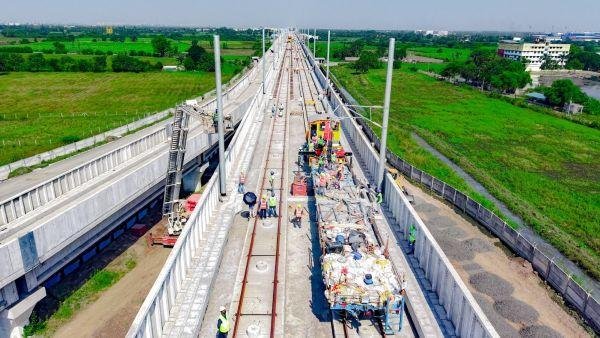
The first section selected for energisation stretches approximately 50 kilometres between Surat and Bilimora.
Both Up and Down railway lines on this elevated section are included in the planned electrification process.
According to the railway authorities, the corridor is being equipped with an advanced 2 × 25 kV overhead traction system.
Once the electrical system is energised, the overhead wires on the specified section will remain live at all times.
This means that people living near the alignment, construction workers, commuters and other individuals must strictly avoid approaching or touching the electrical installations.
The Bullet Train project is one of India’s most significant railway infrastructure initiatives, and the energisation of its first section represents an important step towards its eventual operation.
Surat-Bilimora Section to Receive First Electrical Supply
The Surat-Bilimora section has been selected as the first stretch of the Mumbai-Ahmedabad High-Speed Rail corridor to receive power through the overhead equipment system.
The section covers approximately 50 kilometres and is located entirely in Gujarat.
It forms part of the larger 508-kilometre Mumbai-Ahmedabad high-speed rail corridor.
The elevated alignment includes two railway lines, one for Up services and another for Down services.
The planned energisation will activate the overhead electrical infrastructure installed along the section.
For the Bullet Train project, this is a crucial development because a high-speed electric train requires a reliable and continuous power supply to operate safely and efficiently.
The overhead equipment system consists of electrical wires and supporting structures installed above the railway tracks.
These wires supply electricity to trains through their current collection equipment.
The electrical infrastructure must be installed and maintained with considerable precision because high-speed railway operations require stable power transmission.
The Surat-Bilimora section will therefore provide an important opportunity for the project authorities to progress towards the next stages of technical preparation and testing.
However, energising the overhead system does not mean that passenger services will begin immediately.
Several other technical, safety and operational requirements must be completed before commercial services can commence.
What Is the 2 × 25 kV Overhead Traction System?
One of the most important technical features of the Mumbai-Ahmedabad Bullet Train project is its advanced 2 × 25 kV overhead traction system.
This technology is designed to provide the high-speed railway with a reliable supply of electricity.
In a conventional railway electrification arrangement, electricity is supplied to trains through overhead wires.
The trains collect electrical power through equipment mounted on their roofs.
However, high-speed railway systems require specialised electrical infrastructure capable of supporting demanding operational conditions.
The 2 × 25 kV system uses a higher-voltage feeding arrangement to improve the efficiency of power transmission over long distances.
It is designed to support the electricity requirements of trains operating at high speeds.
For the Mumbai-Ahmedabad corridor, this system forms an important part of the overall railway electrification network.
The Bullet Train infrastructure is being developed with advanced electrical arrangements to ensure that trains receive a stable supply of power throughout the corridor.
The overhead equipment includes:
- Electrical contact wires that supply power to trains.
- Supporting masts installed along the railway alignment.
- Specialised assemblies that maintain the correct positioning of overhead wires.
- Electrical substations that receive and distribute power.
- Monitoring and control systems to oversee the electrical network.
The installation of this infrastructure requires careful engineering because the position, tension and alignment of the wires are important for safe high-speed operations.
The planned energisation of the Surat-Bilimora section will therefore be an important test of the project’s electrical infrastructure readiness.
14 Traction Substations to Support the 508-Km Corridor
The Mumbai-Ahmedabad Bullet Train corridor is being equipped with a network of 14 traction substations.
These substations will play an important role in receiving electricity from the power grid and supplying it to the overhead traction system.
The substations are strategically positioned along the 508-kilometre route to support the electrical requirements of the high-speed railway.
Electricity will be received from the grid and distributed through the specialised traction infrastructure.
The availability of a properly planned power supply network is essential for high-speed rail operations.
A reliable electrical system helps ensure that trains can receive the power required for acceleration, movement and other operational requirements.
The project authorities have also planned a centralised control centre to monitor the electrical network.
This monitoring system will help oversee the operation of the power supply infrastructure and support safe and reliable functioning.
The Bullet Train project requires coordination between several electrical installations because the entire railway corridor must operate as an integrated system.
The 14 traction substations will therefore form an important part of the infrastructure supporting future train services.
The energisation of the Surat-Bilimora section is the first major step in activating this electrical network.
Why Is November 20 Important for the Bullet Train Project?
November 20, 2026, is an important date for India’s first high-speed rail corridor because the first section between Surat and Bilimora is scheduled to receive power through its overhead equipment system.
The development represents progress in the project’s electrification work.
Railway infrastructure projects involve several stages before passenger services can begin.
These include land preparation, construction of elevated structures, track installation, station development, electrical work, signalling systems, safety checks and testing.
The Bullet Train project has been progressing through these different stages along the Mumbai-Ahmedabad route.
The energisation of the first section is particularly significant because it moves the project towards the next phase of electrical testing and operational preparation.
It also demonstrates the progress made in installing the specialised overhead equipment required for high-speed rail operations.
However, the November 20 milestone should not be confused with the launch of commercial passenger services.
Powering up the overhead wires is an infrastructure milestone. Train testing, safety certification and other necessary procedures must take place before passengers can travel on the corridor.
The railway authorities will determine the subsequent operational steps based on the project’s readiness.
Public Safety Alert: Stay Away From the Electrified Railway Section
Along with announcing the planned energisation, the National High Speed Rail Corporation Limited has issued an important public safety advisory.
Once the overhead electrical system is energised, the wires on the specified Surat-Bilimora section will remain live at all times.
The electrical infrastructure carries high voltage and can pose a serious risk to anyone approaching or touching it.
Members of the public, particularly residents living near the elevated alignment, commuters, construction workers and other people in the vicinity, have been advised not to approach the overhead electrical installations.
The authorities have also warned against touching the equipment or undertaking any unauthorised work near the electrified section.
This advisory is important because the overhead electrical system is not an ordinary railway installation.
The Bullet Train project uses a specialised high-voltage power supply arrangement designed to support high-speed train operations.
Contact with live electrical equipment can result in severe injury or death.
People should therefore follow all safety notices, warning signs and instructions issued by railway authorities.
Construction workers and contractors must also ensure that they follow the required electrical safety procedures while working near the railway alignment.
The public should never attempt to access the elevated tracks, inspect the overhead equipment or carry out unauthorised activities near the electrical installations.
How Will Electricity Reach the Bullet Train?
The Mumbai-Ahmedabad Bullet Train project requires a dedicated electrical network to provide power along the entire 508-kilometre corridor.
The electricity supply arrangement includes grid connections, traction substations, overhead electrical equipment and a centralised monitoring system.
The process can be understood through the following stages.
1. Electricity From the Power Grid
The electrical network receives power from the national and regional electricity grid.
2. Supply Through Traction Substations
The electricity is routed to specially designed traction substations positioned along the railway corridor.
3. Distribution Through the Overhead Equipment System
The traction substations supply electricity to the overhead traction infrastructure installed above the railway tracks.
4. Power Collection by the Train
The train collects electrical power through equipment installed on its roof, allowing its electric traction system to operate.
5. Monitoring Through a Centralised Control Centre
The entire electrical network is monitored through a centralised control centre to support safe and reliable operations.
The Bullet Train corridor’s 2 × 25 kV electrical arrangement is designed to meet the requirements of high-speed rail services.
The system must operate reliably because any interruption in power supply can affect railway operations.
This is why the project includes specialised electrical infrastructure and monitoring arrangements along the corridor.
What Is the Total Length of the Mumbai-Ahmedabad Bullet Train Corridor?
The Mumbai-Ahmedabad High-Speed Rail corridor covers approximately 508 kilometres.
The project connects two major economic centres in western India: Mumbai in Maharashtra and Ahmedabad in Gujarat.
The route passes through important locations in both states and is planned with a network of 12 stations.
The proposed stations include:
- Mumbai
- Thane
- Virar
- Boisar
- Vapi
- Bilimora
- Surat
- Bharuch
- Vadodara
- Anand/Nadiad
- Ahmedabad
- Sabarmati
The corridor is being developed to provide high-speed connectivity between Maharashtra and Gujarat.
The Bullet Train project is designed to reduce travel time between Mumbai and Ahmedabad significantly once the full corridor becomes operational.
It is also expected to improve connectivity between the cities and important locations along the route.
The project includes elevated railway infrastructure, specialised stations, electrical systems and other facilities required for high-speed operations.
The 50-kilometre Surat-Bilimora section is the first portion of this larger corridor scheduled to receive electrical power through the overhead system.
What Speed Will India’s Bullet Train Achieve?
The Mumbai-Ahmedabad Bullet Train corridor is being designed for high-speed operations of up to 320 kilometres per hour.
The project is based on advanced high-speed railway technology and specialised infrastructure.
Operating trains at such speeds requires much more than powerful engines.
The railway tracks, electrical systems, signalling infrastructure, train control arrangements and safety facilities must all be designed to work together.
High-speed railway systems also require precise track alignment and reliable overhead electrical supply.
The 2 × 25 kV traction system being installed along the corridor is an important part of this infrastructure.
The project is also expected to use the indigenously developed B28 high-speed trainset for its initial services, according to recent railway reporting.
The trainset is being developed in India and is expected to undergo testing and trials before receiving the necessary approvals for passenger operations.
The Bullet Train project therefore represents an important development in India’s high-speed railway technology and manufacturing capabilities.
The eventual operational speed and service schedule will depend on testing, certification and official railway decisions.
How Will the Bullet Train Benefit Maharashtra and Gujarat?
The Mumbai-Ahmedabad Bullet Train project is expected to improve connectivity between two major states in western India.
Mumbai is an important financial and commercial centre, while Ahmedabad is a major business and industrial hub.
The proposed high-speed connection is expected to make travel between these regions faster once passenger services begin.
Some of the anticipated benefits include:
Faster Intercity Travel
High-speed rail is expected to reduce travel time between major cities along the corridor.
Better Business Connectivity
The project may make it easier for business travellers to move between commercial and industrial centres.
Improved Regional Connectivity
The planned stations will connect several important locations in Maharashtra and Gujarat.
Infrastructure Development
The construction of stations, elevated structures and supporting facilities involves significant infrastructure development.
Employment Opportunities
Large infrastructure projects create work opportunities across construction, engineering, technical services and related sectors.
Growth in Tourism
Faster connectivity may encourage travel to destinations along the corridor.
The long-term benefits of the Bullet Train project will depend on its successful completion, operational reliability, passenger demand and integration with other transport networks.
When Will the Mumbai-Ahmedabad Bullet Train Start Running?
The energisation of the Surat-Bilimora section on November 20 is an important step, but it does not mean that regular passenger services will start immediately.
The railway authorities must complete the remaining construction work and conduct the necessary technical testing.
The overhead electrical system must also be checked to ensure that it performs according to the required specifications.
Trainsets will need to undergo testing and trial runs before passenger services can begin.
Recent railway reporting has indicated a target of launching an initial service in 2027, with further sections expected to become operational in stages.
The complete Mumbai-Ahmedabad Bullet Train corridor will require additional construction, testing and operational preparation.
The actual launch dates will depend on the progress of the project and the necessary safety clearances.
Passengers should therefore wait for official announcements from the Ministry of Railways and NHSRCL regarding confirmed service commencement dates.
Seven Important Facts About India’s Bullet Train Project
Here are seven important points about the latest development:
- Power-up date: November 20, 2026.
- First section: Surat to Bilimora.
- Section length: Approximately 50 kilometres.
- Electrical technology: Advanced 2 × 25 kV overhead traction system.
- Total corridor length: Approximately 508 kilometres.
- Traction substations: 14 planned across the corridor.
- Safety advisory: Overhead electrical wires will remain live after energisation.
These developments make the Surat-Bilimora section an important milestone in India’s first high-speed rail project.
Conclusion: Bullet Train Project Moves Closer to Its Next Major Phase
The planned energisation of the Surat-Bilimora section on November 20 marks an important development in India’s ambitious Mumbai-Ahmedabad high-speed rail project.
The 50-kilometre elevated section will become the first part of the corridor to receive electrical power through its advanced overhead equipment system. With a 2 × 25 kV traction arrangement, 14 planned traction substations and a centralised electrical monitoring network, the project is building the infrastructure required for future high-speed operations.
The development also brings an important public safety responsibility, as the overhead wires will remain live after energisation. Although passenger services will not begin immediately, this milestone moves the Bullet Train project towards further testing and operational preparation.
As construction and technical work continue, the country will be watching closely for the next major announcement regarding India’s first high-speed railway service.
Stay Updated With Police Vartha
Follow POLICE VARTHA for the latest Mumbai news, Maharashtra news, Indian Railways updates, infrastructure developments and breaking news from across India.
We bring you important updates covering public issues, government decisions, transport, crime, local developments and national events.
WANT TO SHARE NEWS OR PROMOTE YOUR BUSINESS?
Connect with Police Vartha for:
- News Coverage & Publicity
- Business & Brand Advertising
- Local News & Event Coverage
Contact us for news coverage and advertising enquiries.