


Remarkable Milestone: 3 Maharashtra Blue Flag Beaches Gain Global Recognition
Ladghar and Guhagar in Ratnagiri and Shrivardhan in Raigad have received the prestigious International Blue Flag certification for 2026–27, making Maharashtra part of India's growing list of internationally recognised sustainable beach destinations.

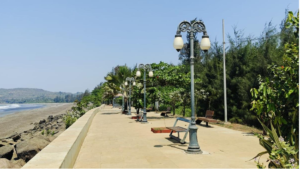
Maharashtra Blue Flag Beaches: 3 Konkan Shores Win Prestigious International Recognition
Ladghar and Guhagar in Ratnagiri district and Shrivardhan in Raigad district have received the International Blue Flag certification for the 2026–27 season. The recognition marks the first time Maharashtra has secured a place on the international list, with the three beaches joining 22 certified beaches across India.
Maharashtra Blue Flag Beaches Make History With International Recognition
Maharashtra has achieved a major milestone in coastal tourism and environmental conservation after three beaches in the Konkan region received the prestigious International Blue Flag certification for the 2026–27 season.
The three Maharashtra Blue Flag beaches are Ladghar and Guhagar in Ratnagiri district and Shrivardhan in Raigad district. Their selection marks the first time beaches from Maharashtra have received this international recognition.
The announcement was made by the International Blue Flag Jury on November 11, 2026. The award recognises beaches that meet prescribed standards relating to environmental conservation, cleanliness, water quality, biodiversity protection, tourist safety, infrastructure and sustainable tourism management.
The achievement is particularly significant for Maharashtra because the state’s coastline has long been an important destination for domestic tourists. The Konkan region is known for its beaches, coastal villages, fishing communities, local food, natural landscapes and tourism potential.
With the addition of the three Maharashtra Blue Flag beaches, the state has entered an international programme that places considerable emphasis on maintaining the natural environment while providing safe and well-managed facilities for visitors.
The recognition is also expected to increase attention on the Konkan coastline and encourage responsible tourism practices among visitors, businesses and local communities.
According to reports, a total of 22 beaches across India have received Blue Flag recognition for the 2026–27 season. Of these, 13 beaches have renewed their certification, while nine have received the distinction for the first time.
Maharashtra’s three beaches account for one-third of the newly recognised beaches across the country.
The Blue Flag season at Ladghar, Guhagar and Shrivardhan is scheduled to begin on November 15, 2026. The official flags are being brought from the Netherlands and will be handed over to the Maharashtra government’s Environment and Climate Change Department before flag-hoisting ceremonies are organised.
Which Three Maharashtra Beaches Received Blue Flag Certification?
The three Maharashtra Blue Flag beaches selected for the 2026–27 season are located in the Konkan region.
Two are in Ratnagiri district, while the third is in Raigad district. Each beach has its own tourism appeal and contributes to the wider coastal identity of Maharashtra.
1. Ladghar Beach, Ratnagiri
Ladghar Beach is located in Ratnagiri district and is among the coastal destinations that attract visitors looking for a quieter Konkan experience.
The beach is known for its coastal scenery, open shoreline and natural surroundings. Its location makes it an attractive destination for travellers exploring the Ratnagiri region.
With the international recognition, Ladghar has become one of the first Maharashtra Blue Flag beaches to be included in the programme.
The certification highlights the importance of maintaining beach cleanliness, protecting the surrounding environment and ensuring that tourism activities are managed responsibly.
For local residents and businesses, the recognition could create opportunities to attract more visitors and encourage the development of tourism-related services.
However, the long-term value of the award will depend on maintaining the required environmental and visitor-safety standards throughout the certification period.
2. Guhagar Beach, Ratnagiri
Guhagar Beach is another important coastal destination in Ratnagiri district to receive the international Blue Flag recognition.
Guhagar is known for its long coastline, natural beauty and relatively peaceful surroundings. The destination attracts families, holidaymakers and visitors interested in exploring the Konkan region.
Its selection among the Maharashtra Blue Flag beaches represents an important development for the district’s tourism sector.
The recognition places greater emphasis on maintaining water quality, managing waste, protecting local biodiversity and providing appropriate facilities for tourists.
For the local economy, improved tourism management could create opportunities for accommodation providers, restaurants, transport operators, guides and small businesses.
The certification may also encourage visitors to explore destinations beyond the more widely known tourist locations in Maharashtra.
At the same time, the natural character of Guhagar must remain a priority. Increased tourist activity should not result in excessive construction, pollution or damage to the coastal ecosystem.
3. Shrivardhan Beach, Raigad
Shrivardhan Beach in Raigad district is the third beach from Maharashtra to receive the International Blue Flag certification.
Shrivardhan is an established coastal destination in the Konkan region and attracts tourists for its shoreline, scenery and surrounding attractions.
Its inclusion among the Maharashtra Blue Flag beaches is significant because it expands the state’s presence in the international programme beyond Ratnagiri district.
The recognition could help bring greater attention to Shrivardhan among tourists looking for coastal destinations that place importance on cleanliness, safety and environmental management.
The award also provides an opportunity for local authorities and tourism stakeholders to strengthen waste management, visitor facilities and environmental awareness.
For the local community, a well-managed tourism sector could support small businesses and generate employment opportunities.
The challenge will be to ensure that tourism growth does not put unnecessary pressure on the beach and its surrounding natural environment.
What Is the International Blue Flag Certification?
The Blue Flag is an internationally recognised voluntary eco-label awarded to eligible beaches, marinas and tourism boats that meet specific environmental, educational, safety and accessibility requirements.
The programme is operated by the Denmark-based Foundation for Environmental Education (FEE), which works through a network of national operators in participating countries.
The Blue Flag is not simply an award for a beautiful beach. It is intended to recognise locations that demonstrate responsible environmental management and provide appropriate facilities and safety arrangements for visitors.
The Maharashtra Blue Flag beaches have received the recognition after meeting the applicable standards for the 2026–27 season.
The programme encourages beach operators and local authorities to maintain high standards of cleanliness, protect water quality, manage waste, provide visitor information and promote environmental education.
The certification also requires participating sites to continue meeting the prescribed conditions during the award period.
This means that receiving the award is not the end of the process. The beaches must continue to maintain the standards for which they were recognised.
The Blue Flag programme is therefore closely connected with long-term coastal management rather than one-time beautification or infrastructure development.
What Are the Criteria for Blue Flag Certification?
Blue Flag certification is based on a range of requirements covering different aspects of beach management.
The criteria are designed to ensure that a beach is not only attractive to tourists but is also clean, environmentally responsible, safe and properly managed.
The main areas include:
1. Environmental Education and Information
Environmental education is an important part of the Blue Flag programme.
Visitors should have access to information about the beach, its surrounding ecosystem, local biodiversity and environmental conditions.
The programme encourages beach operators to conduct awareness activities and communicate responsible practices to tourists.
Information boards and other communication facilities can help visitors understand how their actions affect the coastal environment.
The Maharashtra Blue Flag beaches are expected to follow the applicable requirements for environmental information and education throughout the certification period.
Visitors can contribute by avoiding littering, respecting local wildlife and following the instructions displayed by beach authorities.
2. Bathing Water Quality
Water quality is one of the most important requirements for Blue Flag recognition.
Beaches must meet the programme’s prescribed bathing-water standards and follow the applicable sampling and testing procedures.
Regular monitoring helps authorities assess whether the water is suitable for recreational activities and whether pollution is affecting the beach.
Information about water quality must also be made available to visitors in accordance with the programme’s requirements.
The Maharashtra Blue Flag beaches have received recognition after meeting the applicable standards, but maintaining water quality will remain an ongoing responsibility.
Untreated sewage, industrial discharge, plastic waste and other pollutants can damage coastal water quality.
Preventing such pollution requires coordination between local authorities, communities, businesses and visitors.
3. Environmental Management and Conservation
Environmental management covers the way a beach and its surrounding natural areas are maintained.
This includes cleanliness, waste collection, recycling facilities, sanitation, pollution prevention and the protection of environmentally sensitive areas.
Beach authorities must ensure that waste is collected and disposed of appropriately.
Facilities such as toilets and other visitor amenities should also be maintained in suitable condition.
The programme encourages responsible management of natural resources and protection of local ecosystems.
For the Maharashtra Blue Flag beaches, this means that maintaining the coastline’s natural character will be just as important as improving tourist facilities.
Coastal ecosystems can be affected by excessive construction, unmanaged tourism, plastic pollution and damage to natural habitats.
Responsible beach management can help reduce these pressures.
4. Safety and Services
Safety is another essential part of the Blue Flag programme.
Beaches must meet the applicable requirements for public safety, emergency arrangements, first-aid facilities and visitor services.
Depending on the site and the applicable standards, safety arrangements may include rescue equipment, lifeguard services, emergency information and clear instructions for beach users.
The programme also considers accessibility and the availability of suitable facilities for visitors.
The Maharashtra Blue Flag beaches will need to maintain the required safety and service standards during the 2026–27 season.
For tourists, this recognition can provide greater confidence that beach management includes attention to visitor safety as well as environmental protection.
However, visitors should continue to follow local safety instructions, weather advisories and warnings about sea conditions.
How Many Beaches in India Have Blue Flag Certification?
With the addition of Ladghar, Guhagar and Shrivardhan, a total of 22 beaches across India have received Blue Flag recognition for the 2026–27 season.
The national list includes beaches that have renewed their previous certifications as well as locations receiving the award for the first time.
According to reports, the 22 recognised beaches include:
- 13 beaches that have renewed their Blue Flag certification.
- 9 beaches that have received the recognition for the first time.
The three Maharashtra Blue Flag beaches are among the nine newly certified locations.
This means Maharashtra accounts for one-third of the new additions to India’s Blue Flag list for the season.
The expansion reflects the growing focus on improving coastal tourism standards across different states and Union Territories.
India has been working to develop selected beaches through environmental management initiatives and improved visitor facilities.
The programme aims to make coastal destinations cleaner, safer and more environmentally responsible.
The latest additions also increase the geographical spread of internationally recognised beaches in the country.
Why Is This Recognition Important for Maharashtra?
Maharashtra has a long coastline with several beaches that attract tourists throughout the year.
The Konkan region, in particular, is known for its natural beauty, coastal villages, seafood, cultural attractions and holiday destinations.
However, tourism growth can also create challenges related to waste disposal, water pollution, traffic, construction and pressure on natural habitats.
The selection of the Maharashtra Blue Flag beaches provides an opportunity to strengthen the way these destinations are managed.
The recognition can benefit the state in several ways.
Greater Visibility on the International Tourism Map
International certification can bring greater attention to Maharashtra’s coastal destinations.
Tourists who look for environmentally responsible travel experiences may become more interested in visiting Ladghar, Guhagar and Shrivardhan.
The award also gives the state an opportunity to promote the Konkan coastline as a destination that values environmental conservation.
Opportunities for Local Employment
An increase in responsible tourism can create opportunities for people living in coastal communities.
Local businesses such as hotels, homestays, restaurants, transport operators, shops and tourism service providers may benefit from increased visitor interest.
The Maharashtra Blue Flag beaches could also encourage new tourism-related services, provided development is planned responsibly.
The government’s stated expectation is that the recognition will support local employment and economic activity.
Better Beach Management
The certification encourages local authorities and beach management bodies to maintain cleanliness and improve public facilities.
Regular waste collection, sanitation, environmental monitoring and visitor information can improve the experience for tourists and residents.
These improvements can also benefit the surrounding communities.
Stronger Environmental Awareness
The Blue Flag programme places importance on educating visitors about the environment.
Tourists can be encouraged to reduce plastic use, avoid littering and respect local ecosystems.
Such awareness is important because coastal conservation cannot depend only on government departments.
Local residents, businesses and visitors all have a role to play.
Blue Flag Season at the Three Beaches to Begin on November 15
The Blue Flag season for Ladghar, Guhagar and Shrivardhan is scheduled to begin on November 15, 2026.
The official international flags are being brought from the Netherlands.
They will be handed over to the Maharashtra government’s Environment and Climate Change Department.
Following the handover, flag-hoisting ceremonies are expected to be organised in coordination with the concerned departments and district administrations.
The start of the season will formally mark the beginning of the recognition period for the three newly certified beaches.
The Maharashtra Blue Flag beaches will need to maintain the applicable standards throughout the designated season.
The certification is not intended to be a permanent title that can be retained without further monitoring.
Participating beaches must continue to comply with the relevant requirements during the award period.
This is important because water quality, cleanliness, safety and environmental management can change over time.
Regular monitoring and cooperation between local authorities and communities will therefore remain essential.
Role of the Maharashtra Government and Local Communities
The achievement has been attributed to coordinated efforts by different government departments and local stakeholders.
The Maharashtra government’s Environment and Climate Change Department and Tourism Department played key roles in the initiative.
District collectors and district administrations also contributed to the process.
Local self-government institutions, gram panchayats, Beach Management Committees, residents and other agencies were also involved in the efforts to meet the required standards.
The success of the Maharashtra Blue Flag beaches shows the importance of cooperation between government departments and local communities.
Beach management requires regular work at the local level.
Government departments can establish standards and provide administrative support, but daily cleanliness, waste management and responsible tourism also depend on local participation.
Residents and businesses can help by maintaining public spaces, avoiding waste disposal on the shoreline and informing visitors about responsible behaviour.
Local communities also have valuable knowledge about coastal conditions, seasonal changes and environmentally sensitive areas.
Their involvement is important for ensuring that tourism development does not damage the natural resources on which local livelihoods depend.
What Did Environment Minister Pankaja Munde Say?
Maharashtra Environment and Climate Change Minister Pankaja Munde welcomed the recognition and described it as an important achievement for the state.
She said that the international award recognised Maharashtra’s efforts towards environmental conservation, cleanliness and sustainable tourism.
According to the minister, the recognition would give the state’s coastline a stronger identity on the global tourism map.
She also highlighted the potential for improved local employment and economic activity.
The government has indicated that it intends to continue developing other eligible beaches along Maharashtra’s coastline to meet international standards.
The Maharashtra Blue Flag beaches could therefore become part of a wider effort to promote sustainable and environmentally responsible tourism across the state.
The minister also emphasised the importance of balancing development with environmental protection.
This balance will be important as more coastal destinations attract visitors and tourism-related investment.
Government Plans to Develop More Beaches Along Maharashtra’s Coastline
The state government has indicated that the Blue Flag programme will be used to develop other eligible beaches along Maharashtra’s extensive coastline.
The objective is to bring additional locations closer to the required international standards.
This could involve improvements in beach cleanliness, waste management, water-quality monitoring, visitor facilities, safety arrangements and environmental education.
The success of the Maharashtra Blue Flag beaches may encourage other coastal administrations to strengthen their beach-management systems.
However, not every beach will automatically qualify for certification.
Each location must meet the applicable requirements and demonstrate that it can maintain them during the award period.
The process requires planning, monitoring, infrastructure and cooperation between different stakeholders.
The state government’s broader aim is to promote tourism while protecting coastal ecosystems.
This approach could help Maharashtra develop a stronger identity as a destination for sustainable coastal tourism.
What Should Tourists Expect at Ladghar, Guhagar and Shrivardhan?
The Blue Flag recognition is likely to increase public interest in the three Konkan beaches.
Visitors may become more interested in exploring Ladghar, Guhagar and Shrivardhan during the upcoming tourist season.
The certification indicates that the beaches have met the applicable programme requirements for environmental management, water quality, safety and services.
However, tourists should understand that Blue Flag certification does not mean every possible facility is available at every beach.
The facilities and services provided will depend on the local arrangements and the requirements applicable to each site.
Before travelling, visitors should check local weather conditions, road access, accommodation availability and any advisories issued by the authorities.
Tourists visiting the Maharashtra Blue Flag beaches should also follow basic responsible-travel practices.
These include:
- Avoid throwing plastic bottles, food wrappers or other waste on the beach.
- Use designated waste bins and recycling facilities.
- Follow warning signs and instructions issued by beach authorities.
- Respect local wildlife and natural coastal habitats.
- Avoid damaging dunes, vegetation and other sensitive areas.
- Follow swimming restrictions and sea-condition advisories.
- Use public facilities responsibly.
- Support local businesses and services.
- Avoid activities that create unnecessary noise or disturb other visitors.
- Help keep the beach clean for future visitors.
The recognition can only remain meaningful if visitors also contribute to protecting the beaches.
Can Blue Flag Certification Be Taken Away?
Blue Flag recognition is not a permanent award.
Participating beaches must continue meeting the applicable standards throughout the designated award period.
The programme includes monitoring and control activities to assess whether the required conditions are being maintained.
If a beach fails to meet the applicable requirements, its status may be affected.
This is why the Maharashtra Blue Flag beaches must continue paying attention to water quality, cleanliness, safety and environmental management even after receiving the award.
A beach may receive international recognition in one season, but maintaining that recognition requires regular effort.
Local authorities and management committees must ensure that facilities remain functional and environmental standards are not compromised.
The public also has an important role in helping preserve the conditions that made the recognition possible.
Challenges Ahead for Maharashtra’s Coastal Tourism
The Blue Flag recognition is an important achievement, but it also brings responsibilities.
As tourist interest increases, the three beaches may face greater pressure on local infrastructure and natural resources.
More visitors can mean increased demand for parking, sanitation, drinking water, waste collection and transport.
If these needs are not managed properly, tourism growth could create new environmental problems.
Plastic waste, untreated sewage, overcrowding and unregulated construction are among the issues that can affect coastal destinations.
The Maharashtra Blue Flag beaches will need careful planning to ensure that the benefits of tourism do not come at the cost of environmental damage.
Local authorities must monitor the impact of visitor activity and respond to problems quickly.
Businesses should also be encouraged to adopt environmentally responsible practices.
The challenge is not simply to attract more tourists, but to build a tourism model that supports local livelihoods while protecting the coastline.
What This Means for the Konkan Region
The recognition of Ladghar, Guhagar and Shrivardhan is important for the wider Konkan region.
The region has several coastal destinations with tourism potential, but development must take place without damaging its natural and cultural identity.
The award could encourage more travellers to explore the Konkan beyond its better-known destinations.
It may also create opportunities for local homestays, restaurants, transport services, shops and tourism operators.
The Maharashtra Blue Flag beaches could become examples of how coastal tourism can be linked with environmental protection.
However, the long-term success of this approach will depend on whether local communities benefit and whether environmental standards are maintained.
Tourism development should support existing livelihoods rather than displace local residents or put unnecessary pressure on coastal resources.
A responsible approach can help ensure that the region’s natural beauty remains an asset for future generations.
Key Details: Maharashtra’s First Three Blue Flag Beaches
- Award: International Blue Flag certification.
- Season: 2026–27.
- Announcement: November 11, 2026.
- Newly certified Maharashtra beaches: Three.
- Ratnagiri district: Ladghar and Guhagar.
- Raigad district: Shrivardhan.
- Total Blue Flag beaches in India: 22.
- Renewed certifications across India: 13.
- First-time certifications across India: 9.
- Blue Flag season begins: November 15, 2026.
- International programme operator: Foundation for Environmental Education (FEE), Denmark.
- Maharashtra department involved: Environment and Climate Change Department.
- Other key department: Tourism Department.
- Environment Minister: Pankaja Munde.
Conclusion: Maharashtra’s Konkan Coast Gets a Global Boost
The recognition of Ladghar, Guhagar and Shrivardhan as Maharashtra Blue Flag beaches marks a significant achievement for the state’s coastal tourism and environmental conservation efforts. For the first time, Maharashtra has entered the international Blue Flag list, with three Konkan beaches joining 22 recognised beaches across India for the 2026–27 season.
The award highlights the importance of clean beaches, safe visitor facilities, water quality, biodiversity protection and responsible tourism management. It could also bring greater attention to the Konkan region and create opportunities for local businesses and communities.
However, the real success of the recognition will depend on maintaining the required standards after the award is announced. Government departments, local authorities, businesses, residents and tourists will all have a role in protecting these coastal destinations.
If the effort continues, the achievement could become a starting point for sustainable tourism development across more beaches in Maharashtra.
Stay Updated With Police Vartha
Follow POLICE VARTHA for the latest Maharashtra news, tourism updates, environmental developments, local news and breaking news from across India.
We bring readers important updates from Maharashtra and beyond, covering public issues, government decisions, tourism, business and community developments.
WANT TO SHARE NEWS OR PROMOTE YOUR BUSINESS?
Connect with Police Vartha for:
- News Coverage & Publicity
- Business & Brand Advertising
- Local News & Event Coverage
Contact us for news coverage and advertising enquiries.