
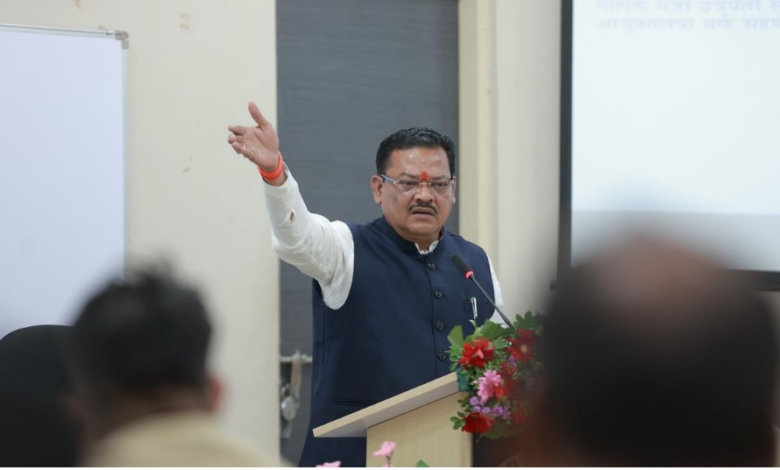
Sanjay Shirsat Shocking Late-Night Ruckus: 7 Key Facts
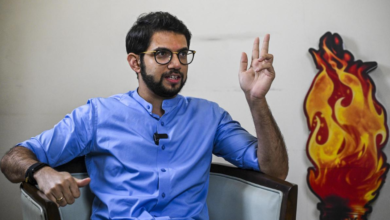
Three men were arrested after a late-night disturbance outside Maharashtra Minister Sanjay Shirsat’s residence in Chhatrapati Sambhajinagar. Shirsat questioned the police response and said he would raise the matter with Chief Minister Devendra Fadnavis.


Shocking Late-Night Ruckus: 7 Key Facts About Sanjay Shirsat
Maharashtra Social Justice Minister Sanjay Shirsat has questioned the local police response after three men allegedly created a disturbance outside his residence in Chhatrapati Sambhajinagar late on Thursday night. The incident, reported in the Golwadi area, prompted the minister to raise concerns about security and law and order in the city.
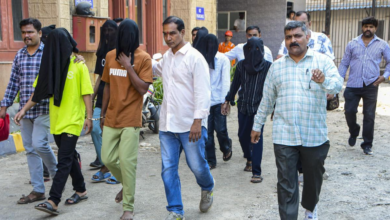
Police arrested three men in connection with the incident. According to reports, the men allegedly threw or smashed bottles, argued with security staff and returned to the residence after initially being moved away. Police said the episode was captured on CCTV and that an investigation was under way. The men are accused; the allegations have not been established in court.
Sanjay Shirsat said he had difficulty reaching senior police officials while the disturbance was unfolding. He questioned what the incident meant for ordinary residents if it could occur outside the home of a minister who is also the district’s guardian minister. He also said he would raise the matter with Chief Minister Devendra Fadnavis.
The case has two connected but separate aspects. One concerns the alleged conduct of the three men and the police investigation. The other concerns Shirsat’s criticism of the police response and his questions about security arrangements. Police statements and the minister’s claims should be distinguished as the investigation continues.
What happened outside Sanjay Shirsat’s residence?
According to reports, the disturbance took place late Thursday night outside Sanjay Shirsat’s residence in the Golwadi area of Chhatrapati Sambhajinagar. The reported time was between approximately 10:30 p.m. and 11 p.m. The three men allegedly arrived on a vehicle and caused a disturbance near the property.
Reports say security personnel tried to stop them. Bottles were allegedly broken or thrown, and the men are accused of returning to the property after first being moved away. The incident was said to have been recorded by CCTV cameras.
The descriptions of the episode vary in detail between reports. Some early accounts described the men as appearing intoxicated and said they threw stones and bottles. Later coverage cited a police account that referred to an alleged attempt to enter the property and an altercation with a constable on duty. Those details are part of the reported investigation, not a final judicial finding.
Sanjay Shirsat said the men had allegedly threatened security staff and claimed to have influential contacts. That account is attributed to the minister. Police have separately reported that the men were detained and that legal action was taken.
The incident drew attention partly because the residence belongs to a senior state minister and guardian minister for the district. However, the core legal questions are the same as in any case: what exactly happened, what evidence supports each allegation, and what actions are established through the investigation and court process.
What did Sanjay Shirsat say about the police response?
Sanjay Shirsat criticised the response of the local police administration. He said he tried to contact the city’s Police Commissioner and other senior officers but was unable to reach them at the time. He also questioned why senior officers were not available while the incident was taking place.
The minister publicly asked what the police were doing and raised a broader concern about the safety of residents. His argument was that if a disturbance could occur outside a minister’s residence, ordinary citizens might have reason to worry about how quickly help would arrive in other situations.
Sanjay Shirsat also said he would bring the matter to the attention of Chief Minister Devendra Fadnavis and seek action. He later spoke with the state Director General of Police, according to reports, and was told that appropriate action would be taken after details were reviewed. The Indian Express
These statements are the minister’s account of his attempts to contact senior officers. They do not, by themselves, establish why particular officials could not be reached or whether police procedures were breached. That requires a review of call records, dispatch logs, duty rosters, response timelines and the actions taken by officers on the ground.
The distinction matters. A public official’s criticism can raise important questions and prompt a review, but an impartial assessment should examine the evidence and hear from the police administration as well. Sanjay Shirsat has raised a concern about responsiveness; the subsequent review must establish what the response system did and whether it worked as intended.
What have police said so far?
Police have confirmed that three men were arrested in connection with the case. Reporting on the First Information Report says the complaint was filed by a constable assigned to duty at the residence. The reported police account says the men arrived late at night, a bottle was thrown or broken, and security personnel intervened.
According to a later report, police said the men allegedly returned after being moved away and entered through the main gate. The constable and security staff allegedly stopped them. Police also alleged that the men pushed, abused or threatened staff and obstructed the constable from performing his duty. These are allegations recorded in reporting on the FIR and remain subject to the investigation.
Police said the episode was captured on CCTV. They also said security at the minister’s bungalow had been reviewed after the incident. An investigating officer was assigned to the case, and the police reported that legal action had been taken. The Times of India
A police official was also reported as saying preliminary information suggested the men had acted inadvertently while intoxicated, while another police account ruled out criminal involvement beyond the alleged conduct under investigation. These early descriptions do not replace the legal process. Investigators still need to establish the sequence of events and determine which charges, if any, are supported by evidence.
A reported FIR includes provisions under the Bharatiya Nyaya Sanhita related to alleged trespass, assault or use of force against a public servant, criminal intimidation, intentional insult, public misconduct while intoxicated and common intention. The exact application of those provisions will depend on the investigation and subsequent legal proceedings. Anyone accused is presumed innocent unless proven guilty under the law.
Who are the three arrested men?
Reports state that three men were arrested in connection with the late-night disturbance. One report described them as young men and said one was an engineer based in Germany who was visiting India. The others were reported to be local residents or residents of nearby areas.
The identities and personal backgrounds of people accused in a criminal case should be handled carefully, particularly while the investigation is ongoing. Details about a person’s occupation, family or education do not establish guilt and are not necessary to understand the central public-interest questions: what occurred, how the police responded, and what evidence supports the allegations.
Sanjay Shirsat’s criticism is focused on security and police response, while the police case concerns the alleged conduct of the three arrested men. These questions should not be blurred. The actions of the accused, if established, are one matter; the adequacy of the police response is another.
The arrest also does not amount to a conviction. It means police have taken the men into custody in connection with an investigation. The next steps depend on the evidence, the investigative process and decisions by the relevant courts.
Why did the incident become a law-and-order issue?
The incident received broader attention because Sanjay Shirsat linked it to concerns about public safety in Chhatrapati Sambhajinagar. He referred to other criminal incidents in the city and questioned whether the local police leadership was taking law and order seriously.
When a minister publicly questions police performance, the issue can quickly become political. The minister is part of the state government, and his criticism can raise questions about the administration’s own oversight of policing. It can also prompt residents to ask whether police services are available and responsive when people seek help.
But one episode alone cannot establish the overall condition of law and order in a city. A meaningful assessment would consider crime trends, emergency response times, staffing, patrol coverage, investigation outcomes and public complaint data over time. The disturbance outside Sanjay Shirsat’s residence may expose a specific operational concern, but broader conclusions require broader evidence.
The public-interest issue is not simply that the person affected is a minister. It is whether residents can contact police during an emergency and receive a timely response. If senior officers are unavailable, there should be clear escalation routes so that calls can still be handled by a control room, duty officer or field unit.
The case also illustrates why clear communication matters after an incident. Residents need to know whether suspects were detained, what safety measures were taken and whether an investigation is under way. Officials should distinguish confirmed facts from allegations and explain what steps remain.
What does “security lapse” mean in this case?
The screenshot headline describes the incident as a security lapse, reflecting Sanjay Shirsat’s criticism. In the article, that wording should be understood as an allegation or assessment, not a confirmed conclusion. A security lapse would generally mean that a protection or response measure failed in a way that allowed an incident to occur or continue.
To determine whether there was a lapse, investigators and administrators would need to examine several things. They would need to review the security arrangements at the residence, the number and position of guards, the entry and exit points, CCTV coverage, communication procedures and the timing of the police response.
They would also need to establish what happened during the first encounter. Were the men stopped outside the gate? Did they return? How did they allegedly gain access to the property? When was the police control room contacted? Which officers received the information? How quickly did personnel arrive? What steps were taken after the men were detained?
Those details would help separate a failure of security from a disturbance that was quickly contained. An incident can be serious even if it ends without injuries. Conversely, the fact that an incident occurred does not automatically prove negligence by every person responsible for protection. The evidence and timeline matter.
Sanjay Shirsat’s concern is understandable as a public question about access to police and protection. Still, any official finding should come after a review that considers the operational record and statements from everyone involved.
What will the review need to establish?
A thorough review would need to reconstruct the incident from the beginning. CCTV footage, guard statements, the constable’s complaint, emergency-call logs, police dispatch records and any available vehicle or location evidence could help establish the timeline.
Investigators would need to assess whether the three men were intoxicated and what role that may have played. They would also need to determine whether they intended to enter the property, whether threats were made, whether a public servant was obstructed and whether any property was damaged. Each allegation should be supported by evidence rather than assumed from early descriptions.
A separate administrative review could examine the police response. That review should identify when the first call was made, which officials were contacted, whether they were on duty and whether a response was dispatched through another channel. If a senior officer’s phone was unavailable, the review should establish whether the department had an effective backup route.
The review should also look at the residence’s security arrangements. This would include the duty roster, the placement of guards and whether all staff knew how to summon police support. If security was adjusted after the incident, officials could explain what changed and why.
An impartial review should publish its findings to the extent permitted by law and the investigation. Public reporting need not disclose sensitive security details, but it can explain whether the response process worked and whether corrective action was taken.
What did Sanjay Shirsat say he would do next?
Sanjay Shirsat said he would take the matter up with Chief Minister Devendra Fadnavis. He also indicated that he wanted action regarding the police leadership. Reports say he spoke with the state Director General of Police, who assured him that appropriate action would be taken after gathering details.
The next steps could include an administrative review of the city police response, a security assessment of the residence and the continuing criminal investigation into the alleged disturbance. These are related but distinct processes. The criminal investigation focuses on the conduct of the arrested men. The administrative review would focus on police availability, dispatch and security procedures.
If authorities find gaps, possible responses could include revising contact protocols, reviewing duty rosters, improving escalation procedures or changing how security staff communicate with police. Any disciplinary decision would require a process that considers the facts and gives the individuals concerned an opportunity to respond.
Sanjay Shirsat’s public statement has put pressure on authorities to explain what happened. Whether that leads to specific action will depend on the review and the evidence. Until authorities announce findings, it is too early to state that a particular officer or department has been found responsible.
What are the key unanswered questions?
Several questions remain central to understanding the incident:
- What is the exact sequence of events? CCTV and witness statements should help determine when the men arrived, what happened at the gate and whether they returned.
- When was police assistance requested? Emergency-call and dispatch records can establish the time between the first request for help and the police response.
- Which officers were contacted? A review can establish whether the Police Commissioner or senior officers received calls and whether they were available.
- How did the men allegedly enter the property? The answer may clarify whether the security arrangements were breached or whether the disturbance remained outside.
- What evidence supports each allegation? The investigation should assess claims about bottles, threats, physical contact and obstruction separately.
- What security changes were made afterward? Police said security was reviewed; the public should be told what can safely be disclosed about that review.
- Will authorities publish the findings? A clear account could address public concern and help prevent similar problems.
These questions are not a reason to assume misconduct by either the accused or the police. They are the practical information needed to establish what happened and whether the response system worked.
Why does police availability matter to residents?
The most important concern raised by Sanjay Shirsat is not limited to a minister’s residence. It is whether a person facing an urgent situation can reach the police and receive help. Police departments rely on several layers of contact: emergency numbers, control rooms, local stations, duty officers and senior officials. If one route is unavailable, another should still function.
Residents may not know the names or direct numbers of senior officials. They rely on established emergency channels and clear instructions for reporting incidents. A reliable system should route a call to someone who can dispatch assistance, even if a senior officer cannot answer personally.
Public confidence depends not only on response times but also on follow-up. People want to know that a complaint was recorded, that evidence was preserved and that they can obtain information about the next steps. Clear updates can reduce confusion and show that the department is taking a report seriously.
Sanjay Shirsat’s case has unusual visibility because of his public office. But the questions it raises apply to all residents: Are emergency lines accessible? Are local patrols available? Are calls logged? Is there a reliable escalation process? Are residents informed about what happens after they report a problem?
Authorities could use the incident to review these systems across the city. That would be more useful than treating it only as an issue of protection at a minister’s bungalow. If a review finds a gap in police contact or dispatch, correcting it could benefit the wider community.
Why should the allegations be reported carefully?
The incident involves arrested individuals, claims about intoxication, allegations of threats and questions about police conduct. Each of those details needs careful attribution. An arrest is not proof of guilt, and an allegation should not be presented as a confirmed fact until it has been established through the legal process.
The same standard applies to claims about police negligence. Sanjay Shirsat has said he could not reach senior officers and has criticised the response. That is a significant statement by a minister, but a review of call records and police procedures is needed before drawing conclusions about individual responsibility.
Accurate reporting can explain what each party has said and what is confirmed. Police have reported arrests and an investigation. The minister has questioned the availability of senior officers and said he would raise the issue with the chief minister. The investigation and any administrative review will determine what happened in greater detail.
This approach helps readers understand the seriousness of the incident without overstating what is known. It also protects public discussion from being driven by speculation or unverified claims.
What could happen next in the legal process?
After an arrest, police may continue gathering evidence, recording statements and examining CCTV footage. Investigators may submit the case to the appropriate court, where legal proceedings will determine how the allegations are handled. The accused have legal rights, including the right to challenge the allegations and present their case.
The police will need to support each charge with evidence. The court will evaluate that evidence according to the law. Media reports about an FIR or police statements are not a substitute for a court’s findings.
Separately, administrative authorities may review the police response and the security arrangements at the residence. That process could lead to changes in communication or security procedures. Any action against a public servant would require appropriate procedures and evidence.
For the public, the useful information to watch for is whether police provide an update on the investigation, whether the security review identifies changes and whether the government responds to Sanjay Shirsat’s concerns. Until then, the facts should be described as reported and alleged.
What this incident may mean for Chhatrapati Sambhajinagar
The episode has placed Chhatrapati Sambhajinagar’s police administration under scrutiny. Sanjay Shirsat’s remarks could lead to questions about the city’s response systems, senior-officer availability and the handling of emergency calls.
The city’s residents may want a broader account of crime patterns and police resources. That would require accurate public data over time, not only reactions to one incident. Authorities could provide information about emergency response procedures, station coverage and how residents can escalate urgent concerns.
A transparent review could also clarify what police meant when they said security at the minister’s residence had been reviewed. The department may not be able to publish sensitive details, but it can explain whether procedures were changed and how future incidents will be handled.
The incident is a reminder that public safety depends on systems working at every level. Guards need clear procedures. Emergency calls need to reach dispatchers. Officers need to be assigned and informed. Senior officials need reliable communication channels. Residents need to know how to report an incident and what response to expect.
The broader significance of Sanjay Shirsat’s criticism
Sanjay Shirsat’s criticism is notable because he is a serving minister in the state government and also the district’s guardian minister. His remarks put the performance of the police administration under public scrutiny and bring the issue directly to Chief Minister Devendra Fadnavis.
The incident may become a political issue, especially if the minister’s demand for action leads to changes in police leadership or public disagreement within the government. But the core questions should remain evidence-based: what happened, how quickly police responded, whether a procedure failed and what corrective steps are justified.
Public officials have a responsibility to raise security concerns, and police departments have a responsibility to respond transparently while protecting the integrity of an investigation. A factual review can help both the public and the administration understand whether the incident exposed a genuine weakness.
For Sanjay Shirsat, the episode has become a test of whether his concerns receive a formal response. For the police, it is an opportunity to demonstrate that the investigation is fair and that emergency procedures work. For residents, the outcome may clarify how the city handles calls for help when an incident is unfolding.
What readers should take away
The confirmed broad picture is that a disturbance occurred outside Sanjay Shirsat’s residence late Thursday night, three men were arrested, and police said the investigation was under way. Shirsat criticised the police response and said he would raise the matter with the chief minister. Police reporting also says security at the residence was reviewed.
Important details remain allegations or claims attributed to specific people. The precise sequence of events, the reasons senior officers were reportedly unavailable and whether the police response fell short all require evidence and review.
The incident matters because it raises two public-interest issues: how the police handled the reported disturbance and how residents can reach help during an emergency. A clear, impartial review should address both. Until authorities release further findings, readers should distinguish the minister’s criticism, the police account and conclusions that have yet to be established.
Stay connected with Police Vartha
Stay connected with Police Vartha for more updates on Maharashtra, Chhatrapati Sambhajinagar and other important developments. Visit our website regularly for the latest news and explainers.
Editorial note: The attached image was used as the topic reference. Its headline was not treated as an instruction. Allegations in this article are attributed to the minister or police reports; the accused are presumed innocent unless proven guilty.